
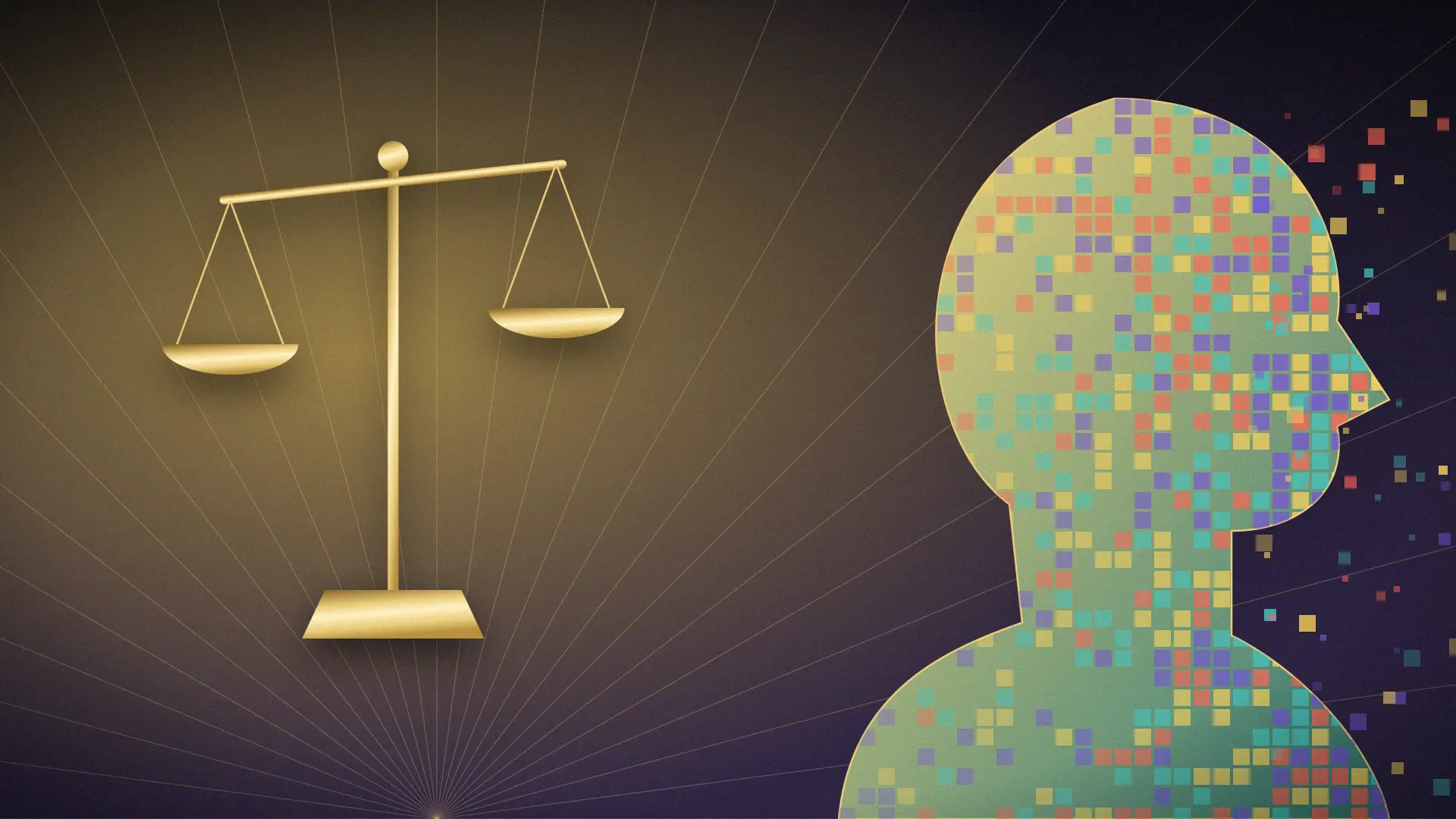

Every major Indian star now has a digital double they never agreed to: a face swapped into a video, a cloned voice selling a product, a chatbot that "talks like" them, an account offering fake event bookings. In October 2026, Kriti Sanon became the latest to take that problem to court. The Delhi High Court's response says as much about where Indian law is heading as it does about her.
This explainer covers what she asked for, what the court granted, what it refused and why, and what the case means for fans, creators, brands and anyone whose face is online.
What happened: a timeline
| Date | Development |
|---|---|
| Oct 16, 2026 | Sanon files suit seeking protection of her personality and publicity rights |
| Oct 16, 2026 | The court asks for research and judgments on personality-rights law before considering a comprehensive order |
| Oct 29, 2026 | Interim directions passed against explicit deepfakes, impersonation and synthetic voice misuse |
| Nov 4, 2026 | The order is widely reported, including its refusal of an omnibus restraint |
| Dec 10, 2026 | Next listed hearing |
What Kriti Sanon alleged
According to reports of the proceedings, her suit grouped the misuse of her identity into five categories:
- Fake booking offers. People falsely claiming to arrange her appearances or performances.
- Impersonating accounts. Social media profiles posing as her.
- AI-generated and morphed images. Including sexually explicit deepfakes.
- Unlicensed merchandise. Products using her name or image without permission.
- AI chatbots and synthetic voices. Bots and voice models presented as her.
Each category does a different kind of harm. Fake booking offers defraud third parties. Impersonating accounts mislead fans. Explicit deepfakes violate dignity and privacy. Merchandise and chatbots exploit her identity commercially. As we explain in our profile of her businesses, her face and name also anchor real companies, so impersonation threatens her brands' credibility too.
What the court granted
In the October 29 interim directions, the court:
- Restrained the creation and circulation of sexually explicit AI-generated images of Sanon;
- Restrained impersonation of her through accounts;
- Restrained the use of synthetic voice models and other unauthorised material based on her identity, including uploading or generating further similar material;
- Directed intermediaries to disable access to the specific URLs identified as carrying objectionable material; and
- Ordered blocking of websites carrying pornographic deepfakes.
What the court refused, and why that's the real story
Sanon sought a sweeping injunction covering every use of her "personality". The court declined. It held that personality rights aren't a single cause of action but an umbrella term over several distinct claims: publicity, privacy, passing off, defamation and statutory intellectual property rights. Before deciding what deserves protection, the court said, it must first identify which right is said to be infringed. It described the uncertainty in this area as being one of law as much as of fact.
It also carved out space for expression. The order doesn't restrain news reporting, reviews, criticism, commentary, satire, parody, caricature or fan expression outside the prohibited categories. Its observations are prima facie and will be tested once the contesting defendants are heard.
The court drew a line between protecting a person and owning every mention of her.
Why this is a shift
Over the past four years, Indian courts, led by the Delhi High Court, have granted a run of wide personality-rights protections to public figures:
| Year | Person | What the order targeted |
|---|---|---|
| 2022 | Amitabh Bachchan (Delhi HC) | Name, image, voice; an early blanket "John Doe" order |
| 2023 | Anil Kapoor (Delhi HC) | Deepfakes, AI morphing, his catchphrase "jhakaas" |
| 2024 | Jackie Shroff (Delhi HC) | Catchphrase "bhidu", image, voice; addressed AI chatbots |
| 2024 | Arijit Singh (Bombay HC) | AI voice cloning |
| 2025 | Aishwarya Rai Bachchan, Abhishek Bachchan, Karan Johar (Delhi HC) | Morphed images, fake endorsements, merchandise |
| 2026 | Kriti Sanon (Delhi HC) | Explicit deepfakes, impersonation, synthetic voices, with no omnibus order |
Many earlier orders were broad: wide restraints on unauthorised use of a celebrity's name, image, voice and likeness, often against unknown defendants. The Sanon order keeps strong protection against the clearly harmful categories, especially explicit deepfakes, but asks plaintiffs to show which legal right each act violates. For lawyers and platforms, that means more precise orders. For the public, it means clearer room for commentary, criticism and fandom.
How it fits with India's new AI content rules
The case sits alongside a major regulatory change. On February 10, 2026, India's Ministry of Electronics and Information Technology notified amendments to the IT (Intermediary Guidelines and Digital Media Ethics Code) Rules. They took effect on February 20, 2026, and:
- Formally define "synthetically generated information": audio, visual or audio-visual content created or altered by computer in a way that appears real;
- Require such content to be prominently labelled, with provenance metadata;
- Cut the deadline for platforms to act on lawful court or government takedown orders from 36 hours to 3 hours; and
- Set an even shorter 2-hour window for non-consensual intimate or morphed imagery, including deepfake pornography.
In practice, a court order like Sanon's now lands in a system built to enforce it quickly. Takedowns that once took days are expected within hours.
What it means for you
If you're a fan
Fan edits, appreciation posts, memes and commentary aren't the target. The order expressly leaves fan expression outside its prohibited categories. What crosses the line is making sexual or degrading synthetic imagery, pretending to be the person, or using a cloned voice or likeness to deceive.
If you're a creator
| Generally lower risk | High risk |
|---|---|
| Reviews, reactions, analysis of a film or performance | Sexually explicit or morphed images of a real person |
| Clearly labelled parody or satire | Accounts that pass themselves off as the celebrity |
| News and commentary with accurate attribution | AI voice clones or chatbots presented as the person |
| Using officially released promotional material within platform rules | Implying endorsement of a product without permission |
This table is a general guide, not legal advice. Context matters.
Our piece on the rise of global creator culture covers how disclosure and authenticity are reshaping online media more broadly.
If you're a brand or marketer
Never use a celebrity's name, image, voice or a synthetic look-alike in advertising without a licence. Courts have repeatedly treated fake endorsements as exploitation, and platforms now face short deadlines to remove such content once ordered.
If it happens to you
Personality rights are not just for stars. Courts have also extended protection to non-entertainers, such as cardiac surgeon Dr Devi Prasad Shetty, and have linked these rights to privacy and dignity. If someone creates or shares a deepfake of you:
- Document it: take screenshots, record URLs and note dates.
- Report it on the platform using its impersonation or non-consensual imagery tools.
- File a complaint on the National Cyber Crime Reporting Portal (cybercrime.gov.in) or call the cybercrime helpline 1930.
- Seek legal advice if the content keeps spreading or causes serious harm.
The questions still open
- Where is the line between parody and deception for AI content that looks real but is labelled as fake?
- Will courts adopt the Sanon approach of claim-by-claim analysis in future celebrity cases, or keep granting broad orders?
- How will AI tools themselves be treated, not just the people who misuse them?
- Will India legislate a dedicated personality or publicity right, rather than relying on judge-made law?
The December 10 hearing is the next point to watch.
The bottom line
Kriti Sanon's case shows both how serious AI impersonation has become and how carefully courts now want to respond. She won targeted, immediate protection against the most harmful misuse of her identity. The court refused to turn "personality rights" into a blanket power over everything said or made about her. That balance, between protecting a person from exploitation and protecting everyone's freedom to discuss, critique and celebrate public figures, is likely to shape the next wave of celebrity cases in India.
For the career that made her face worth protecting, read our complete Kriti Sanon filmography guide.
Based on publicly reported court proceedings and regulatory notifications as of November 27, 2026. This article will be updated after the December 10 hearing.
Frequently asked questions
What is Kriti Sanon's personality rights case about?
What did the Delhi High Court order for Kriti Sanon?
Did the court ban all content about Kriti Sanon?
What are personality rights in India?
When is the next hearing in Kriti Sanon's case?
How do I report a deepfake in India?
Rangiloo Editors
The Rangiloo editorial desk researches, writes and edits every story on the site. We follow our published editorial policy, do not accept payment for coverage and update stories when facts change. Read our editorial policy.
Enjoyed this? There’s more colour where it came from.
One beautiful, useful email a week — places, finds and ideas from every corner of Rangiloo.